Vrijheid van meningsuiting
Documentary Filmmaker Arrested After Undercover Exposé of Colombian Gender Clinic for Children
Mexican filmmaker Samuel Adrián has been detained in Colombia for ten days after a judge banned his documentary about a children's clinic providing transition care. The clinic never wanted what his undercover camera captured to be seen.
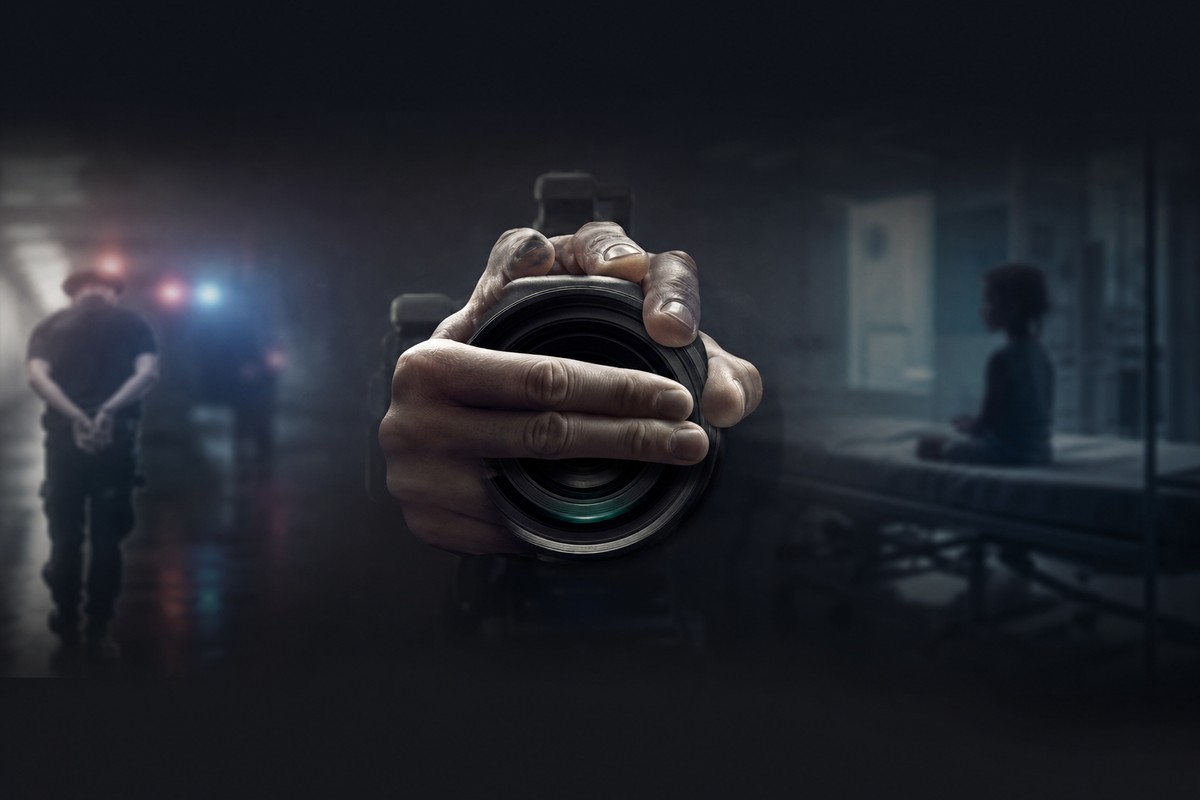
On September 13, 2026, Mexican documentary filmmaker Samuel Adrián was detained on Colombian soil. He knew there was an arrest warrant out for him, yet he travelled there anyway. The reason: his documentary "Colombia: Factory of Trans Children", in which he used a hidden camera to interview a pediatrician at a gender clinic about the treatment of minors. A court ruled that the recording violated the doctor’s privacy — and Adrián was sentenced to ten days in custody and fined more than $8,000.
What the documentary revealed
Adrián is no stranger to the spotlight: his YouTube channel, active since 2016, has more than 1.1 million subscribers and nearly 1,900 videos on a wide range of topics, from Christian music to investigative journalism. For his documentary, he recorded a conversation with Dr. Mario Angulo, a pediatric endocrinologist at Fundación Valle del Lili in Cali — one of Colombia’s larger hospitals. In the conversation, which was recorded without Angulo’s consent, the doctor explains the clinic’s protocols and discusses the effects of puberty blockers and hormones on the fertility of the children who receive them. That is precisely the conversation the clinic never wanted the public to hear.
According to reporting by Genspect — the organization that first brought the case to wider attention — the documentary also features Marci Bowers, president of WPATH, the leading international professional association for gender care. Her statement that children who are actually blocked at Tanner Stage 2 have “almost never” experienced an orgasm is cited in the documentary as an illustration of what is at stake when such treatments are used on children.
From privacy complaint to arrest warrant
Angulo did not opt for a rebuttal; he went to court instead. Even before the premiere, he filed an emergency constitutional injunction in Cali — known as a tutela — alleging violations of his privacy, dignity, and reputation. In December 2025, the court ruled in his favor and issued an order requiring the removal of all content containing his name, image, voice, or the institution’s logo. When Adrián failed to comply fully with that order, an arrest warrant followed — ten days in custody, plus the fine. Last month, the warrant was carried out.
The distinction that disappears here is essential. A judge may rightly intervene when an undercover recording is disproportionate or puts someone’s safety at risk. But here, one doctor’s privacy claim is being used to shut down a documentary about the treatment of children — before the public even had the chance to form its own opinion. This is no longer about protecting an individual; it is about making oversight of a practice impossible precisely because that practice is withdrawing from public scrutiny.
A pattern of silencing, not an isolated incident
The Adrián case does not stand alone. Wherever critics question the rapid medicalization of gender dysphoria in children, the debate shifts from the substance to the messenger: complaints to professional associations, lawsuits over defamation or privacy violations, and pressure on platforms. Anyone who looks into how critical voices are cancelled will see a recurring pattern: not refuting the criticism, but making it impossible to voice. The same happens more often than readers might think at the intersection of journalism and the gender debate — how source criticism and pressure on editorial teams shape gender news is precisely the kind of issue that a media-critical platform such as Gendermedia.nl focuses on.
Why this matters to everyone who works with children
What an undercover camera exposed in Cali is not a uniquely Colombian problem. The question of whether children and their parents are fully informed in advance about the irreversible effects of puberty blockers and hormones is just as pressing in the Netherlands and Flanders. Anyone who looks into the issue will inevitably encounter the debate about gender and children. When a doctor would rather see a journalist behind bars than engage in a public debate about the substance of his own protocols, it raises a simple question: what is there to hide?
Sources
Genspect, "Chronicle of an Arrest Foretold", September 21, 2026: genspect.org/chronicle-of-an-arrest-foretold. Genspect is an international gender-critical organization; the article is the source for the facts in this piece, including the court ruling in Cali and the quoted statement by Marci Bowers.
Edward Jansen